

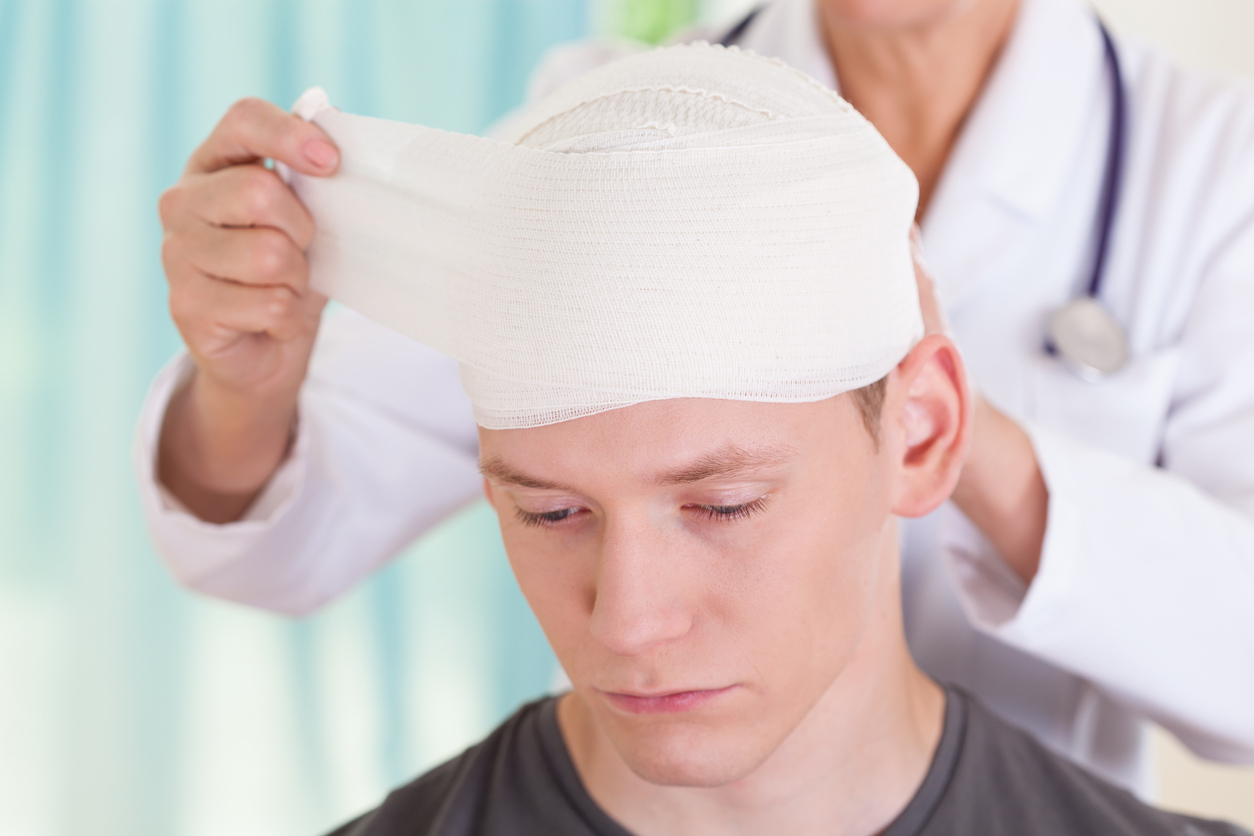
A traumatic brain injury, or TBI, happens when a sudden impact, jolt, or blow to the head disrupts normal brain function. These injuries can range from mild concussions to severe, life-altering brain damage.
Because symptoms are not always obvious right away, proper diagnosis is critical. Understanding how doctors diagnose TBIs can help patients and families know what to expect after a serious accident in San Bernardino.
Why Early TBI Diagnosis Matters in San Bernardino
Prompt diagnosis helps medical providers decide on the right treatment and monitor for complications. Some brain injuries worsen over time if left untreated. Early care can reduce swelling, prevent secondary injuries, and improve long-term outcomes.
A clear diagnosis also creates important medical records that document the injury and its effects.
Initial Evaluation After a Head Injury in California
When someone arrives at an emergency room or urgent care facility with a possible brain injury, doctors start with a basic evaluation. They will ask questions about how the injury happened, whether the person lost consciousness, and what symptoms they are experiencing.
Medical providers often check for symptoms such as headaches, dizziness, confusion, nausea, vomiting, memory problems, and sensitivity to light or noise. Changes in mood, behavior, or sleep patterns may also point to a brain injury.
Neurological Exams and Observation
A neurological exam is a key part of diagnosing a TBI. During this exam, doctors assess how well the brain and nervous system are functioning. They may check balance, coordination, reflexes, speech, vision, hearing, and strength.
Doctors also test memory, attention, and the ability to follow simple instructions. In mild cases, patients may be observed for several hours to see whether symptoms improve or worsen. In more serious cases, hospital admission may be required for close monitoring.
The Glasgow Coma Scale
One common tool doctors use is the Glasgow Coma Scale, often called the GCS. This scale measures a patient’s level of consciousness based on eye opening, verbal responses, and motor responses.
Scores help medical professionals classify the injury as mild, moderate, or severe. While the scale does not diagnose the injury on its own, it provides valuable information about the severity of brain trauma and guides treatment decisions.
Imaging Tests Used To Diagnose TBIs
Imaging plays a major role in diagnosing traumatic brain injuries, especially moderate to severe cases. Doctors may order scans to look for bleeding, swelling, or structural damage inside the skull.
Common imaging tests include:
- CT scans, which are often used first because they are fast and effective at detecting bleeding or skull fractures
- MRI scans, which provide more detailed images and can identify smaller or more subtle brain injuries
These scans help doctors rule out life-threatening conditions and determine whether surgery or other urgent treatment is needed.
Cognitive and Neuropsychological Testing
For patients with ongoing symptoms, doctors may recommend cognitive or neuropsychological testing. These tests evaluate thinking skills such as memory, attention, problem-solving, and processing speed.
Neuropsychological testing is especially helpful for diagnosing mild TBIs or concussions that do not appear on imaging scans. The results can guide rehabilitation plans and help track recovery over time.
Diagnosing Mild TBIs and Concussions in California
Mild TBIs, including concussions, can be harder to diagnose because symptoms are not always visible on scans. Doctors rely heavily on patient reports, medical history, and clinical exams. Even a “mild” brain injury can have serious effects if symptoms are ignored.
Follow-up care is important, especially if headaches, concentration problems, or mood changes persist.
Follow-Up Care and Specialist Referrals
After an initial diagnosis, patients may be referred to specialists such as neurologists, neurosurgeons, or rehabilitation physicians. Ongoing care may include physical therapy, occupational therapy, speech therapy, or counseling.
Recovery timelines vary widely. Some people improve within weeks, while others face long-term challenges. Accurate diagnosis helps ensure patients receive the right support at every stage.
Contact Kenny Ramirez Law Firm Personal Injury Lawyers for a Free Consultation With a San Bernardino Brain Injury Lawyer
A traumatic brain injury can change your life in an instant. Medical diagnosis is often the first step in understanding the full impact of a head injury and planning for recovery. For more information, contact an experienced brain injury lawyer at Kenny Ramirez Law Firm Personal Injury Lawyers to schedule a free consultation today.
Kenny Ramirez Law Firm Personal Injury Lawyers
325 W Hospitality Ln Suite 204, San Bernardino, CA 92408
(909) 515-0646